


Before CeCe Winans became gospel’s most decorated female voice, she was half of one of the genre’s most successful partnerships. Alongside her brother BeBe, she helped carry gospel to audiences it had rarely reached. Here is a look at that era.
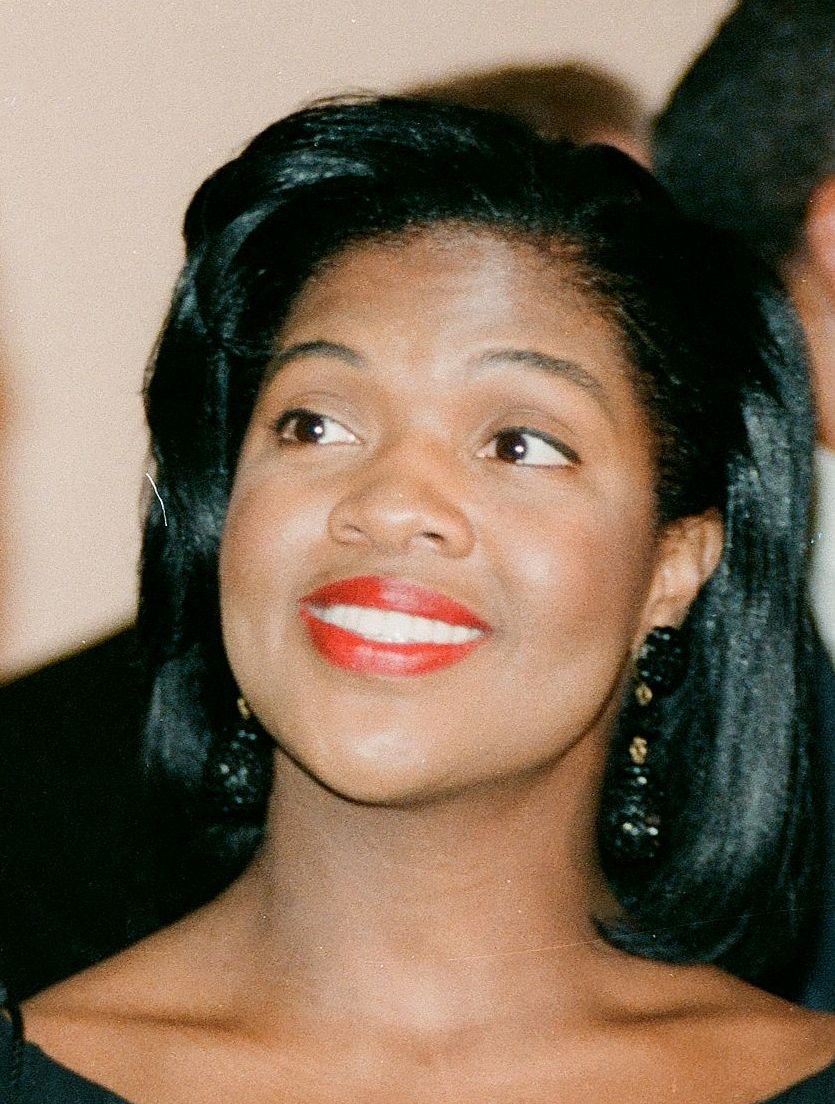
A partnership born at home
Raised in a large, musical Detroit family, the siblings shared a foundation built in church.
Two voices that fit together
Their blend worked because their tones complemented rather than competed with each other.
Emerging in the late 1980s
The duo rose to prominence during a period when gospel was beginning to reach wider audiences.
Bringing gospel to the mainstream
Their music reached listeners who did not typically seek out gospel records.
Keeping the message intact
Despite broader appeal, the pair did not abandon the faith at the center of their music.
A polished contemporary sound
Their production drew on contemporary styles while preserving gospel’s core feeling.
Recognition for the duo
Their work earned significant industry recognition during their years together.
Opening doors for others
Their success helped demonstrate that gospel artists could reach mainstream listeners.
Learning the business together
Touring and recording as a pair gave both siblings experience they carried forward.
Moving toward solo work
In time each pursued individual projects, with CeCe building a celebrated solo career.
A foundation for what followed
The skills and audience built during the duo years supported everything she did afterward.
Why the era still matters
BeBe and CeCe remain a reference point for how gospel can reach beyond its traditional audience.


Image sources: All photographs on this page come from Wikimedia Commons and are used under their respective free licences, with credit to each photographer as shown in the captions above.
Never miss a laugh
Get every new comic straight to your inbox. Free, no spam, unsubscribe anytime.
✅ Free · 📩 Every new post · 🚫 No spam


GIPHY App Key not set. Please check settings